Physical Address
304 North Cardinal St.
Dorchester Center, MA 02124
Physical Address
304 North Cardinal St.
Dorchester Center, MA 02124

Maine Could Become the First State to Ban New Data Centers, and this is making people all over the country stop and look. It is a big deal because we use the internet for everything—watching videos, talking to grandma, and even looking at maps. But Maine is a special place. People there love their quiet woods and their clean air. They are starting to ask if these giant computer houses are really a good neighbor. It is like having a friend who wants to move into your spare room but brings a giant, noisy machine that makes your electric bill go way up. We need to talk about why some people in Maine are saying, “Wait a minute, maybe we don’t want these here.”
When we talk about why Maine Could Become the First State to Ban New Data Centers, we have to look at how much power these buildings use. Think about your toaster. When you push the button down, it uses a bit of power to get hot. Now imagine a million toasters all running at the same time, forever. That is a lot of energy! Maine has a lot of beautiful nature, and the people who live there want to keep it that way. They are worried that if too many of these big computer buildings move in, there won’t be enough electricity left for regular families to heat their homes or cook their dinner.
Another reason for this big “no thank you” is the noise. If you have ever sat next to a loud fan on a hot summer day, you know it can be hard to hear someone talking. Data centers have rows and rows of giant fans to keep the computers from melting. People who live near these buildings in other states say it sounds like a jet engine that never turns off. In Maine, where the only thing you usually hear at night is an owl or the wind in the trees, that loud humming sounds like a nightmare. They want to make sure their “Pine Tree State” stays peaceful.
To understand this better, let’s pretend you have a lot of photos on your phone. You might think they are just “there,” but they are actually stored in one of these big buildings. Every time you send a heart emoji or watch a funny cat video, a computer in a data center somewhere wakes up and works.
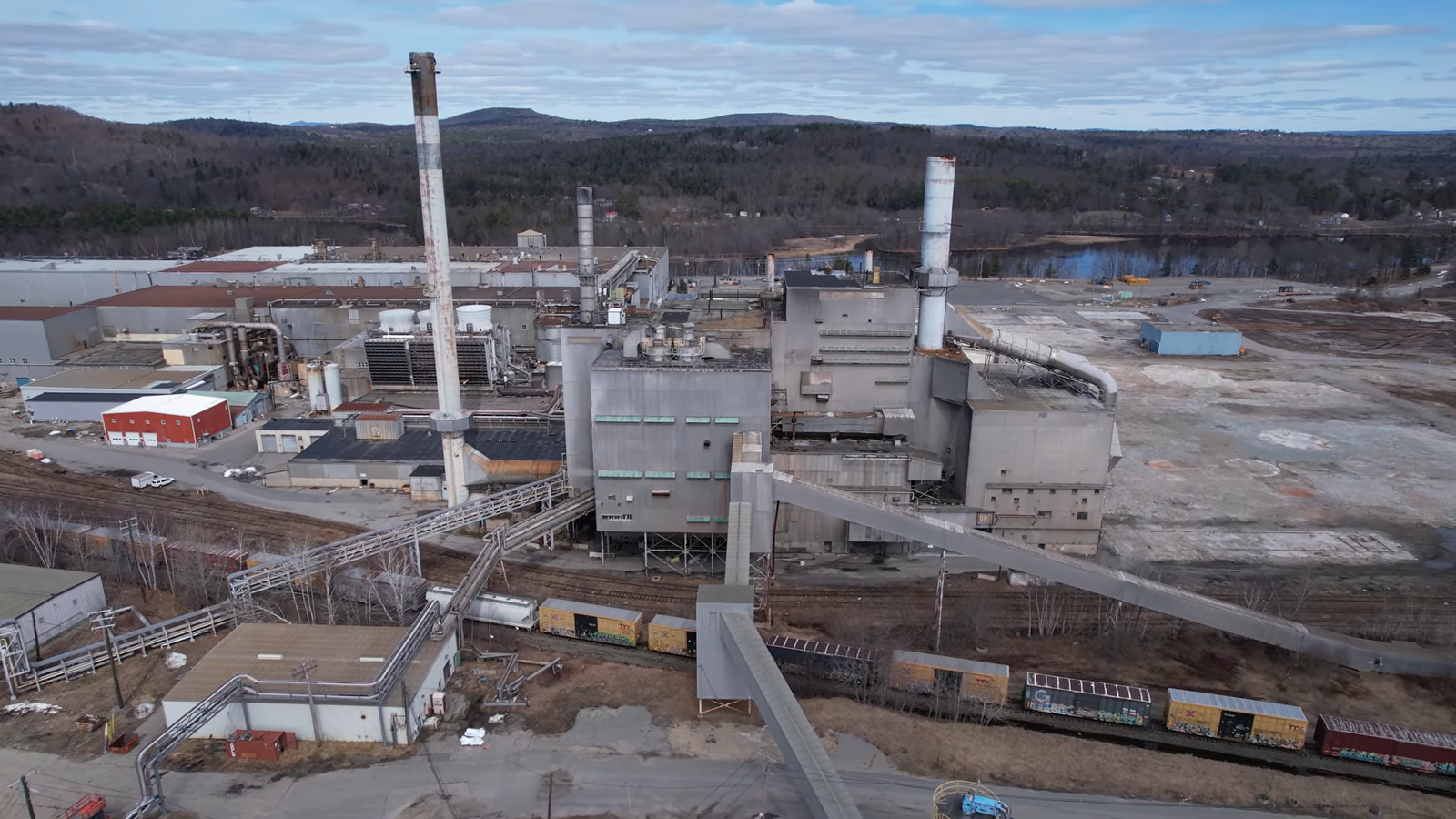
These buildings are often just big, gray boxes without many windows. They don’t have many people working inside because the computers do all the heavy lifting. This is one of the tricky parts of the debate. Usually, when a big building goes up, it means lots of jobs for the people in town. But with data centers, once they are built, they only need a few people to keep an eye on things. So, Maine is looking at these buildings and thinking, “You take our power, you make a lot of noise, and you don’t even give many people jobs. Is that a fair trade?”
Computers are like little heaters. If you leave your laptop on your lap too long, it feels warm, right? Now, imagine thousands of those stacked up. They get so hot they could actually catch fire if they aren’t cooled down. To fix this, data centers use two things: lots of electricity for fans and lots of water.
In some places, data centers drink millions of gallons of water every day to stay cool. That is water that could be used for farming, for drinking, or for the fish in the rivers. Maine is famous for its clean, cold water. The folks who live there are worried that these “data monsters” might drink too much of it. They want to protect their rivers and lakes for their children and grandchildren to enjoy.
[Image: A peaceful river flowing through a green forest in Maine / Alt Text: A beautiful and clean river in Maine that people want to protect from high industrial water use.]
You might be wondering, “Why does a building in Maine matter to me?” Well, the way electricity works is a bit like a big giant bowl of soup that everyone shares. If one person takes a huge, giant ladle and scoops out almost all the soup, there isn’t much left for everyone else. When there isn’t much left, the price of the soup goes up.
Maine is looking out for the regular person who just wants to keep the lights on without spending all their money. By saying “no” to new data centers, they are trying to keep the electricity prices steady for everyone who lives there. It’s about making sure there is enough “soup” in the bowl for the families, the schools, and the small shops.
We live in a world that loves new things. We like faster phones and better videos. But Maine is a place that also loves “old” things—like old forests, old traditions, and the quiet way of life. This ban is really a big fight between the digital world and the real, physical world.
Some people say that data centers are the future. They say we need them to grow and to have a modern life. But the people supporting the ban in Maine are saying that the future shouldn’t come at the cost of the ground we walk on. They are asking us to think about what is more important: a faster download or a forest where you can still hear the birds? It’s a tough choice, and Maine is being very brave by being the first to stand up and ask these hard questions.
Maine isn’t the only place feeling the heat. Places like Virginia and Arizona have a lot of data centers, and people there are starting to get tired of the noise and the high power use. But Maine is the one taking the biggest step by trying to make a law that says “No more for now.”
If Maine passes this law, other states might follow. It could change how the whole internet is built! Companies might have to find ways to make computers that don’t get so hot or that use much less power. This is why this news is so important. One small state with a lot of trees might change the way the giant tech companies do business.
We often forget that when we build a giant building, we are taking away a home from someone else. In Maine, that might be a deer, a moose, or many different types of birds. A giant data center takes up a lot of space. It’s not just the building; it’s the roads to get there and the big power lines that have to be put in.
For a state that prides itself on its wildlife, this is a big concern. When you move into a quiet neighborhood and start building a noisy factory, the animals leave. The people of Maine want to make sure their animal neighbors have a place to stay, too. They believe that a healthy forest is worth more than a room full of servers.
[Image: A moose standing in a Maine wetland / Alt Text: A wild moose in its natural habitat in Maine, highlighting the importance of land conservation.]
Of course, the people who build data centers aren’t happy about this. They say that they bring money to the state and that they help make our modern life possible. They argue that if they can’t build in Maine, they will just go somewhere else, and Maine will miss out on the “tech boom.”
They also say they are trying to be better. Some companies are trying to use “green energy” like wind and sun to power their computers. This is a good thing! But for many in Maine, even “green” data centers are still too big, too noisy, and use too much water. It’s like a guest who says they’ll bring their own snacks but still uses all your water and talks really loudly while you’re trying to sleep.
It’s okay to feel a bit confused about this. We all love our phones and the internet. It’s how we stay connected. But it’s also okay to love the earth and our quiet spaces. Maine is trying to find a balance. They aren’t saying the internet is bad; they are just saying that their land is precious.
When we talk about Maine Could Become the First State to Ban New Data Centers, we are really talking about what kind of world we want to live in. Do we want a world that is all screens and humming machines? Or do we want a world where we can still go for a walk in the woods and feel the peace of nature? Maine is choosing nature, and that is a very human thing to do.
They are showing us that it is okay to say “enough.” We don’t always have to grow bigger and faster. Sometimes, staying the same and protecting what we have is the smartest thing to do. It takes a lot of heart to stand up to big companies and say, “Our trees and our quiet are not for sale.”
The leaders in Maine are still talking about this law. There will be lots of meetings and lots of people sharing their feelings. It might take some time before a final “yes” or “no” is decided. But the fact that they are even having this conversation is a huge step.
If you live in Maine, or even if you don’t, this is a story to watch. It teaches us that our voices matter. If a group of people feels like their home is being changed in a way they don’t like, they have the power to try and stop it. That is what being a community is all about.
At the end of the day, Maine is like a big family home. The people who live there are the ones who get to decide who is invited in and what the rules are. By considering a ban on new data centers, they are making a stand for their way of life. They are reminding us all that even though the digital world is important, it can never replace the feeling of a cool breeze or the sound of a quiet night.
We should all be a little bit proud of Maine for asking these tough questions. It’s not easy to be the first to do something, especially when it means standing up to big tech companies. But if they succeed, they might just save the very things that make Maine so special in the first place. And that is a story worth telling.