Physical Address
304 North Cardinal St.
Dorchester Center, MA 02124
Physical Address
304 North Cardinal St.
Dorchester Center, MA 02124

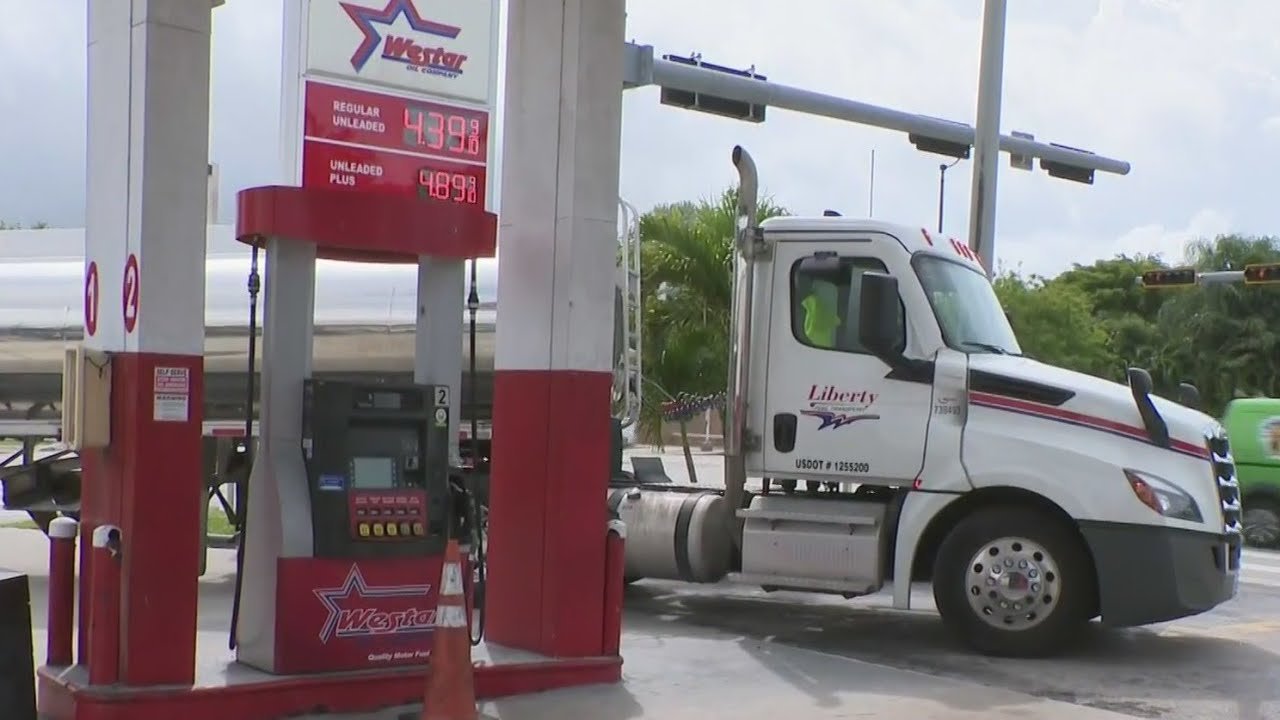
Fuel Price Spike: What It Means for Inflation and the U.S. Economy is a topic that sits at every kitchen table in America today. As we move through the year 2026, we are seeing how energy costs act as the “heartbeat” of our world. When that heartbeat gets faster and more expensive, the rest of the body—our country’s money and your own bank account—has to work a lot harder. It can be a little stressful to see the numbers go up on the gas pump, but understanding why it happens and how it moves through our lives can help us feel much more prepared. Let’s sit down and talk about it like we’re sharing a cup of coffee.
To really get a handle on what is happening, we have to look at how we get the things we need every day. Most of the items in your home didn’t start there. They took a very long journey to get to you. Your favorite cereal started as seeds in a big, open field. A tractor, which uses lots of energy, helped plant and harvest it. Then, a giant truck carried that cereal to a warehouse. Finally, a smaller van brought it to your local store. Every time the cost of energy goes up, the “ticket” for that cereal’s journey gets more expensive.
When we talk about the economic outlook, we are really asking a simple question: “How much is everyone spending?” If a business has to spend thousands of extra dollars on gas to move their products, they don’t want to lose that money. To keep their business healthy and pay their workers, they add a few cents to the price of the things they sell. When millions of businesses do this at the same time, we get something called inflation. Inflation is just a way of saying your dollar doesn’t buy as much as it did last year. It’s like your money is “shrinking” while the prices of toys and bread are growing.
You might wonder why a change at the pump becomes a problem for your dinner plate. It seems strange that the cost of energy in a different part of the world can change the price of an apple in your local market. But energy is hidden in almost everything we eat. Farmers use machines that run on fuel to make sure the soil is ready. The factories that put food into boxes or cans use lots of electricity and heat. And, of course, the transportation costs to get that food to you are very high when energy becomes more expensive.
Farmers are some of the hardest workers we have. When they have to pay more for the energy for their tractors or the special food for their soil, they have to charge a little more for their crops. This is the very beginning of the ripple. Next, think about the truck driver. These drivers spend all day on the road. When their fuel bill doubles, they have to tell the grocery store, “I need more money to bring you these vegetables.” By the time you pick up that bag of carrots, the price has gone up because everyone along the way had to pay more just to keep moving.
Think about the big, bright refrigerators at the store. They need power all day and all night to keep your yogurt and juice cold. If the company providing that power has to pay more for energy, the store’s monthly bill goes up. To pay that bill, the store might have to raise prices on many different items. This is why your household budget might feel a bit tight lately. It’s not just that you are spending more at the gas station; you are paying for that energy jump every time you check out at the supermarket. It feels like a hidden cost that nobody asked for, and it’s okay to feel a little worried about that.
When we hear people on the news talk about inflation rates, they are usually looking at a big list of things people buy. They check the price of eggs, rent, energy, and clothes. If most of those things are getting more expensive, the inflation rate goes up. A jump in fuel costs is often the “spark” that starts this process. Because energy is used to make and move everything, a jump in those prices makes that whole list more expensive very quickly.
What does this mean for the U.S. economy? It means people have to make tough choices. If you are spending an extra $50 a month on gas and an extra $100 on groceries, you might have less money for a movie night or a new pair of jeans. When millions of families stop spending money on “fun” things because they are busy paying for “need” things, the whole economy starts to slow down. This is a change in consumer spending. It’s like a giant wheel that slows down because there isn’t enough extra money to keep it spinning fast.
The people who help manage the country’s money watch these price changes very closely. They know that if things get too expensive, it hurts families and small shops. To try and fix this, they sometimes use a tool that works like the brakes on a bicycle. They change something called “interest rates.”
When they “put on the brakes,” it becomes more expensive to borrow money for a house or a new car. The goal is to make people and businesses spend a little less so that the prices of things will stop rising so fast. It is a very delicate balance. If they press the brakes too hard, the bicycle might stop completely, and people might lose their jobs. If they don’t press them enough, the bicycle might go too fast down a hill. The cost of living for everyone depends on finding that perfect middle ground where prices stay steady.
It can feel like these big economic waves are crashing over us, but humans are amazing at finding ways to adapt. When things get expensive, we find new ways to be smart with our money. We learn to plan our trips better so we drive less. We look for local foods that didn’t have to travel as far on a big truck. We help our neighbors by sharing rides or trading things we don’t need anymore.
The high energy costs we see today are also pushing very smart people to find new ways to power our world. Every time traditional energy gets expensive, more people start looking at electric cars, solar power, and other ways to get around that don’t rely on the same old fuel. We are moving toward a future where a single price jump might not have such a big ripple effect on our lives. That is a real reason to feel hopeful for our children.
Even though you cannot change the price at the pump, you can change how you manage your own home. Here are a few ways to keep your family’s “pond” quiet and calm:
As we look at the economic outlook for the rest of 2026, we can expect things to be a bit bumpy for a while. The “ripples” from high energy costs take time to settle down. But the U.S. economy is very strong and very big. It has been through these kinds of price jumps before, and it has always found a way to get back on track.
The most important thing to keep in mind is that you are not alone. Everyone—from your neighbor next door to the person running the biggest company in the city—is trying to figure out how to handle these changes. By staying informed and making small, smart choices every day, you are helping the whole country stay steady.
The “stone” of high fuel prices will always create ripples. It is a part of how our world is connected right now. But ripples eventually settle down, and the water becomes quiet again. By understanding that the Fuel Price Spike: What It Means for Inflation and the U.S. Economy is a story about how we are all linked together, we can face the challenges with a clear head.
We are in a time of big changes, but change often leads to better ways of doing things. Whether it’s finding a new way to get to work or discovering a new way to save at the grocery store, we are all growing more resilient every day. Keep doing your best, stay smart with your choices, and we will get through these ripples together.