Physical Address
304 North Cardinal St.
Dorchester Center, MA 02124
Physical Address
304 North Cardinal St.
Dorchester Center, MA 02124

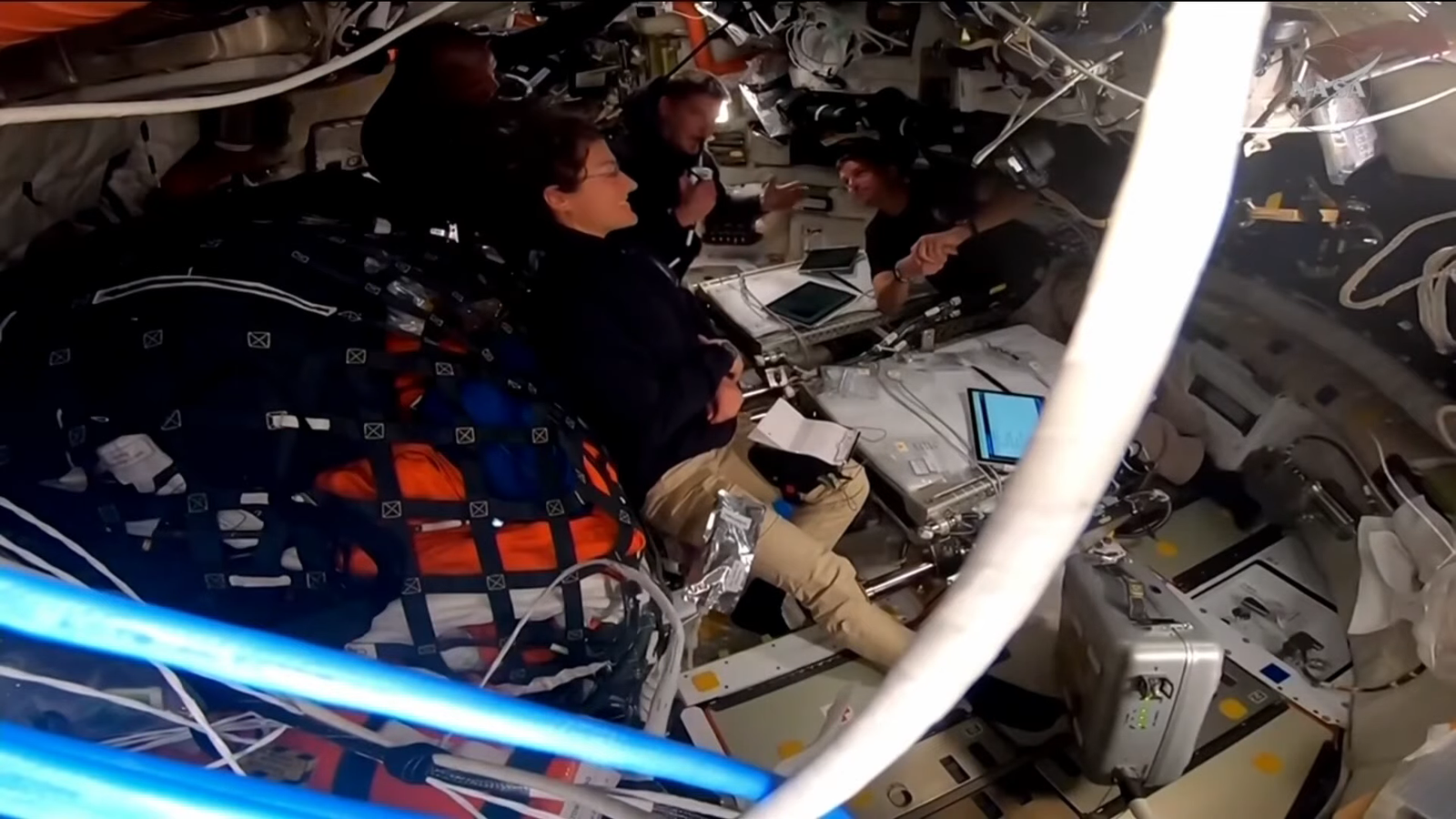
Reid Wiseman and Artemis II: How Aerospace Engineering is Redefining Lunar Exploration in 2026 is a story about how we are making this giant “car ride” possible for a new group of heroes. In early 2026, four brave people are going to hop into a high-tech capsule and drive 240,000 miles to see our neighbor, the Moon. It’s not just a quick visit; it’s a way for us to see if we can eventually live there. This adventure belongs to everyone, whether you are a scientist or someone who just likes to look up at the night sky and wonder what is out there.
Before we talk about the big rocket, we should talk about the people inside. Reid Wiseman is the man who will be leading this mission. Think of him as the captain of the ship. He is a brave pilot who has spent a lot of time in space before. He knows what it feels like to float like a balloon and look down at our beautiful blue Earth. He understands that being an astronaut is about being a good teammate and staying calm when things get exciting.
Reid isn’t going alone, though. He has a team of three other friends with him. They are like a group of explorers from an old storybook, but instead of horses, they have the most powerful engines ever built. Their job is to fly around the Moon, see how the ship handles the trip, and make sure everything is safe for the people who will go even further later on. When Reid looks out the window in 2026, he will be seeing things that no human has seen in person for over fifty years. This mission is the first step in making the Moon a place where people can go more often.
When we talk about how things are changing, we have to talk about the “building” part. Imagine you are building the biggest, strongest Lego set in the world. You want it to be strong enough so it doesn’t break, but light enough to fly. This is what engineers do. They use their brains to solve problems like “how do we keep the air inside the ship?” or “how do we keep the astronauts warm when it is super cold outside?” They are the ones who make sure the rocket doesn’t just go up, but comes back down safely too.
Many people get excited about this and want to help. Nowadays, you don’t even have to live near a big rocket base to start learning. You can even start learning how to build these things by looking into an aerospace engineering degree online. It means that a student sitting in their living room today could be the one designing the next Moon house tomorrow. By using computers and smart math, these builders are making sure that Reid and his friends have a “house” in space that is much safer and more comfortable than anything we had back in the 1960s.
One of the hardest parts of a long trip is staying in touch with home. Imagine trying to call your mom, but your phone only works if you stand on one foot and wait an hour for her to hear you. In space, talking is hard because the Moon is very, very far away. If you used a normal radio, the voice would be fuzzy and slow.
To fix this, the mission is using laser communication systems. Instead of using old-fashioned radio waves, which are like sending a slow letter in the mail, they are using beams of light. It is like using a super-fast flashlight to send messages. This allows Reid to send high-definition videos back to Earth almost instantly. Because of this, we will be able to see the Moon’s surface in beautiful detail, almost as if we were sitting right there in the seat next to him. This tech makes the vast distance of space feel just a little bit smaller and much more connected.
In your car, you probably have a GPS that tells you when to turn left or right. But in space, there are no street signs, stoplights, or gas stations. You are moving thousands of miles an hour in the dark. This is where deep space navigation technology comes in. It’s like a super-brain for the ship.
This technology looks at the stars and the Earth to figure out exactly where the ship is at every second. If the ship goes even a tiny bit off track, this technology helps the engines give a little “puff” of smoke to push it back into the right lane. It ensures that the team doesn’t get lost in the big, empty sky. It is the ultimate “auto-pilot” that keeps our explorers on the right path to the Moon and back. Without it, the Moon would be very hard to find, even though it looks so big in the sky.
You might wonder why we spend so much time and money going to the Moon. Well, it isn’t just for fun or for taking pretty pictures. It is also a way to help people here on Earth. Many companies are helping build the parts for the rocket. Some people even look at aerospace defense stocks to see how these companies are growing and helping the country stay safe.
Going to space is also becoming a real business. Just like you have insurance for your house or car to protect you if something goes wrong, there is now something called commercial spaceflight insurance. This helps protect the companies and the people who are building these amazing machines. It shows that space isn’t just a dream or a movie anymore; it is a real place where people work, plan, and build for the future. When we invent a new way to clean water or keep air fresh for astronauts, we can use those same tools to help people in villages right here on Earth.
As we get closer to the launch in 2026, more people are thinking about how space will change our lives. There are many space exploration investment opportunities appearing for people who want to be a part of the future. This could mean helping companies that make special space food, or companies that find ways to use the rocks on the Moon to build things.
The Moon is like a big treasure chest of history and science. By going there, we are opening that chest for everyone. The things we learn about how to live on the Moon will eventually help us go even further, like to the planet Mars. Mars is the “big prize,” but we have to learn how to walk on the Moon before we can run to Mars. Every dollar spent on Artemis II is a dollar spent on learning how humans can live among the stars.
The ultimate goal of all this hard work is to make sure we can stay on the Moon for a long time. Engineers are already looking at ways to use the Moon’s own dirt to build houses using giant 3D printers. They are also looking for ice in dark corners of the Moon that we can turn into water to drink or air to breathe.
When Reid Wiseman and his crew fly around the Moon in 2026, they are scouting the land. They are looking for the best spots to build these future homes. It is a bit like a family driving through a new neighborhood to see where they might want to build a house one day. It is an exciting time because, for the first time in history, the Moon is starting to look like a place where we could actually belong and stay.
You might think, “I’m just one person on Earth, what does a rocket have to do with me?” The answer is that these missions make our lives better every day. The technology created for space makes your phone faster, your doctors smarter, and your car safer. But even more than that, it gives us hope.
In a world where we sometimes have big problems to solve, looking up and seeing humans reaching for the Moon reminds us that we can do hard things. It reminds us that when we work together—engineers, pilots, teachers, and students—we can reach the stars. Reid Wiseman is carrying the dreams of every kid who ever pointed at the sky and said, “I want to go there.” In 2026, he is taking a little bit of all of us with him.
After a few days of flying around the Moon, Reid and his team will have to come back to Earth. This is one of the most important parts of the trip. They have to hit the Earth’s air at just the right speed and angle. If they go too fast, they will get too hot. If they are too flat, they will skip off the air like a flat stone on a pond.
The engineers have built a giant “heat shield” on the bottom of the ship to keep them safe. It is like a super-strong, thick umbrella that protects the astronauts from the heat of coming home. They will splash down in the big, blue ocean, where a boat will be waiting to pick them up. They will come home as heroes, but also as teachers who will tell us everything they learned so that the next group can go even further.
The year 2026 will be a year we never forget. It is the year we stop just looking at the Moon and start treating it like a neighbor. Whether you are young or old, this is your mission too. So, the next time you see the Moon shining bright at night, give it a little wave. There will be friends up there very soon, and they are paving the road for all of us.