Physical Address
304 North Cardinal St.
Dorchester Center, MA 02124
Physical Address
304 North Cardinal St.
Dorchester Center, MA 02124

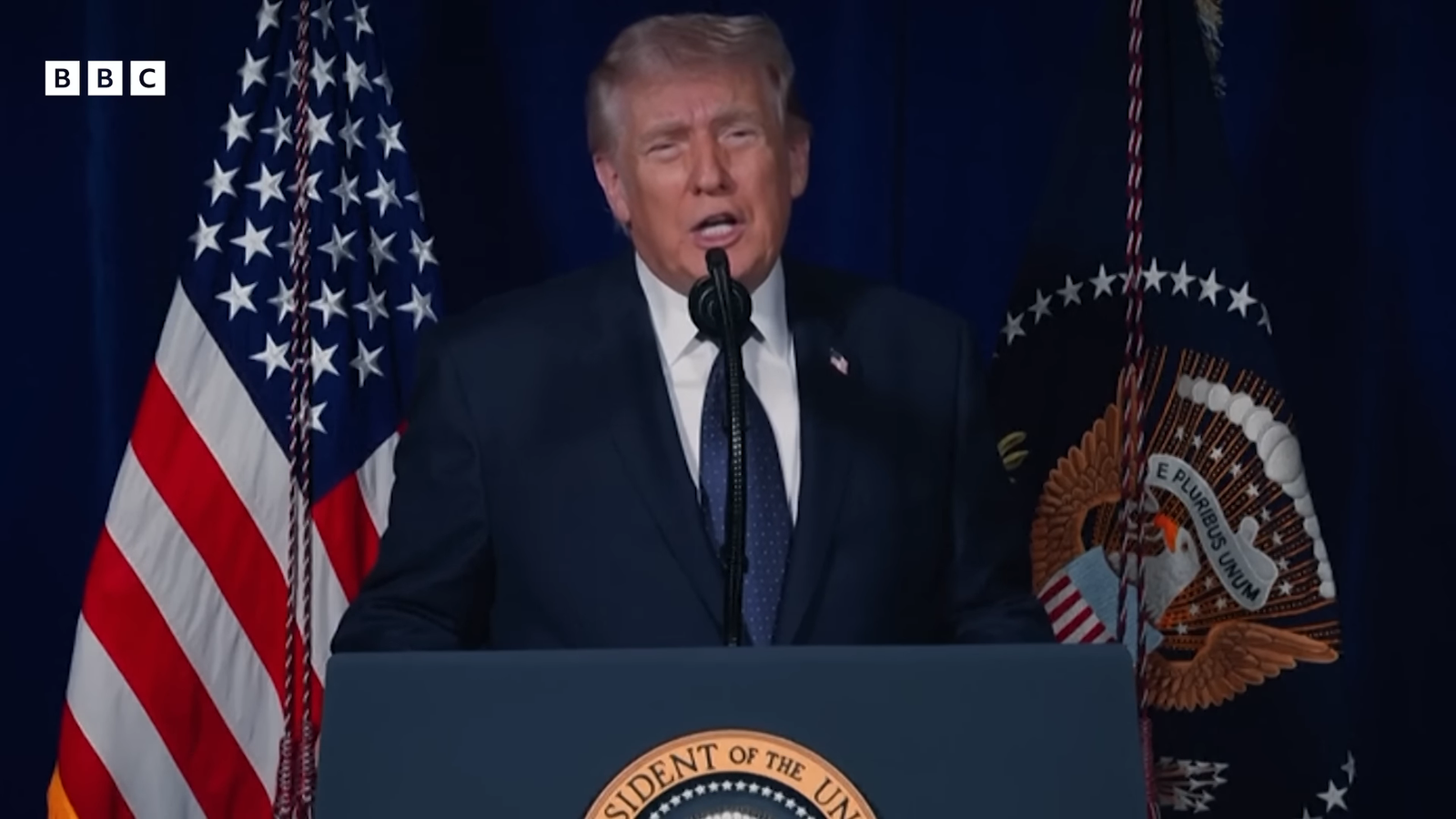
War with Iran: How Is It Affecting the US Economy! This is the question on everyone’s mind right now. Since the conflict began in late February 2026, we have all started to notice small changes that add up to big ones. Usually, we think of the “economy” as a big, scary word that only people in suits talk about on TV. But the economy is really just a way of talking about how much things cost, how many jobs there are, and if people have enough money to take care of their families. Right now, because of the trouble far away, the “neighborhood road” of the world is blocked, and we are all feeling the pinch.
When we talk about the War with Iran: How Is It Affecting the US Economy!, the first place most people look is the gas station. You’ve probably seen the numbers on the big signs creeping up day by day. In March 2026, gas prices hit an average of $4.00 per gallon in the United States. That is a lot of extra nickels and dimes every time you fill up your car. This happens because Iran sits next to a very important “water road” called the Strait of Hormuz. Think of it like a very narrow hallway that almost all the world’s oil has to travel through.
When there is a war, that hallway gets blocked. When the hallway is blocked, the oil can’t get to the places that turn it into gas for our cars. Because there is less gas to go around, the price goes up. This is called gas price inflation. It’s like if there were only ten apples in the whole world; everyone would be willing to pay a lot of money to get one. But it isn’t just about your car. Everything we buy, from the toys in the store to the mail in your mailbox, is carried by trucks, planes, or ships. All of those need gas to move. So, when gas gets expensive, everything else does too.
Have you noticed that your favorite cereal or a gallon of milk costs a little more than it did a few months ago? This is one of the most direct ways the conflict touches our lives. Even though the fight is happening across the ocean, it causes a supply chain disruption. That’s just a fancy way of saying the “delivery line” for our food has a kink in it.
It can feel a bit unfair that a fight so far away makes our dinner more expensive. But in our modern world, we are all connected like a big spider web. When one part of the web shakes, the whole thing moves.
Energy is like the “food” for our whole country. It keeps our lights on, keeps our houses warm in the winter, and runs the big computers that make the internet work. Because of the energy crisis 2026, companies are having to spend more money just to keep their buildings running.
When a big company like a grocery chain or an online store has to pay a huge electric bill, they don’t want to lose money. To make up for it, they might add a “fuel surcharge” to your orders. You might see a little extra fee on your receipt for things like pizza delivery or Amazon packages. It’s their way of saying, “It’s costing us more to get this to you, so we need a little help.”
Alt Text: A diagram showing how a ship in the Middle East is connected to the prices at a local US grocery store, illustrating supply chain links.
Another way the war affects us is through something called “interest rates.” Imagine you want to borrow a toy from a friend, and your friend says, “Okay, but you have to give me back the toy plus one candy bar later.” That “candy bar” is the interest. Right now, the people who run the big banks in the US are worried about prices going up too fast.
To try and slow things down, they make it more expensive to borrow money. This means if you are trying to buy a new house or a new car, your monthly payment might be higher than it was last year. This is part of the economic impact of war that we don’t see immediately at the store, but we see it when we look at our bank accounts.
You might worry that a war means people will lose their jobs. The good news is that so far in 2026, the US job market has stayed pretty strong. Many people are still working and finding new jobs. However, some companies are getting a little nervous. If they have to spend all their money on gas and electricity, they might not have enough left over to hire new people.
On the other hand, some industries grow during a war. Companies that make things for the military or companies that help produce oil right here in America often hire more people. It’s a bit like a seesaw—one side goes up while the other goes down.
The US government spends a lot of money to keep its soldiers and ships safe during a conflict. This is called US military spending. When the government spends billions of dollars on a war, that is money that isn’t being spent on other things, like fixing roads, building schools, or helping people with healthcare.
While the government can print more money, doing that too much can make the value of our dollars go down. If you had ten stickers and suddenly everyone in class got a thousand stickers, your ten stickers wouldn’t feel very special anymore. We want our dollars to stay “special” so they can buy us what we need.
It’s easy to feel a little bit scared when we see the news. War is a big, heavy topic. But even when things are uncertain, there are ways we can take care of ourselves and our neighbors. Understanding the Middle East oil impact is just the first step.
The US economy is very big and very strong. We have been through hard times before, and we always find a way to get through them together. Even though the War with Iran: How Is It Affecting the US Economy! is a tough situation, we are learning how to be more resilient and how to look out for one another.
Wars don’t last forever. Leaders are often talking behind the scenes to try and find a way to make things peaceful again. When the fighting stops and the “hallway” in the ocean opens back up, we usually see prices start to go back down. Gas stations change their signs back to lower numbers, and the grocery stores don’t have to pay as much for shipping.
Until then, we just have to be a little more careful and a little more patient. The economy is like a big ocean—it has waves that go up and waves that go down. Right now, we are in a choppy part of the water, but the ship is still sailing.
We may not have all the answers, but by understanding the War with Iran: How Is It Affecting the US Economy!, we can make better choices for our families. Just like those neighbors in the fight, eventually, things will quiet down, and the road will be clear again. Until then, keep your head up and keep taking care of your “neighborhood.”
If you want to feel a bit more in control, start by looking at where your money goes each week. Maybe you can carpool with a friend to save on gas, or try some new recipes that use ingredients grown right here in the US. Every little bit helps! And don’t forget to talk to your friends and family about how you feel. We are all in this together, and sharing our thoughts makes the “big, scary economy” feel a lot more human.